Follow these tips and enjoy the longest possible seasonality of the Hydrangea paniculata. The plant takes its name from the abundant panicles (branching clusters of flowers) that bloom on new growth each year. Covered with these attention-grabbing blossoms, the shrub is wonderful in the garden, makes easy arrangements for home, and stands out in larger compositions for special events.
Harvesting Hydrangea Paniculata
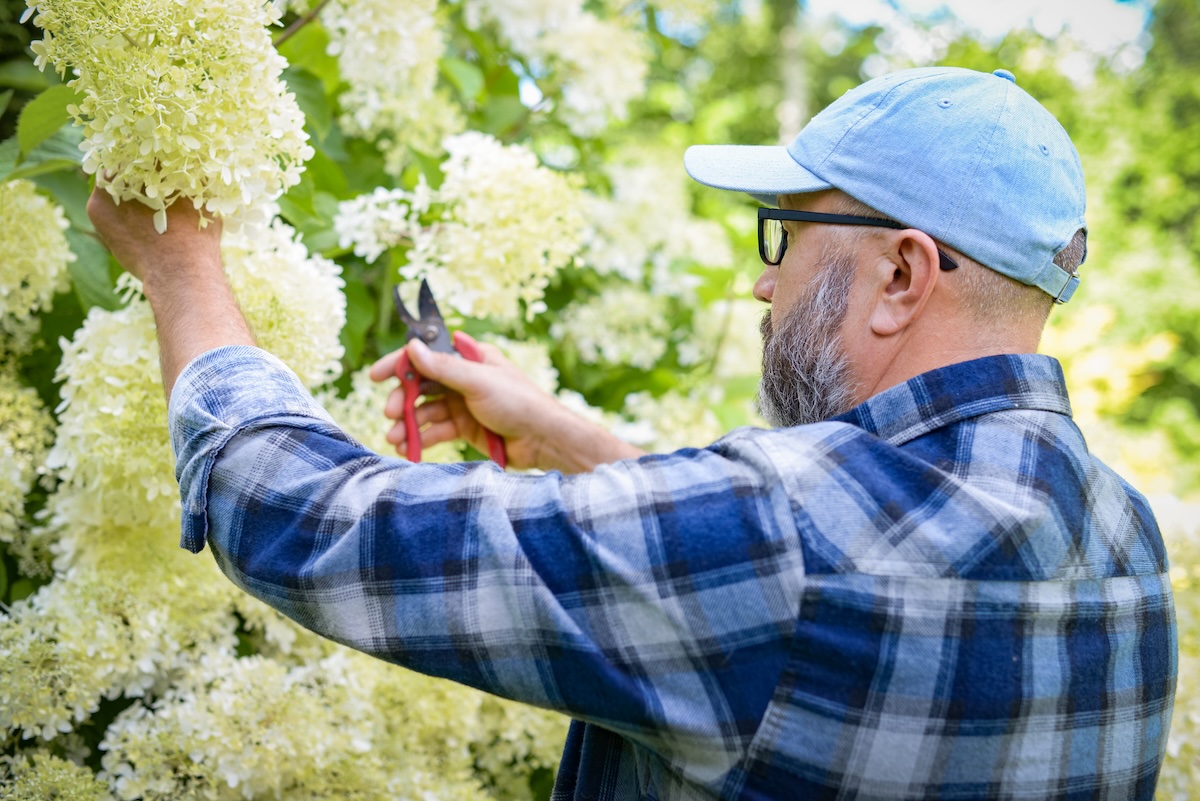
Photo by elenaleonova | iStock
Panicle hydrangeas, like this Limelight, offer loads of flowers, so choose the best form and color for your composition.
Like so many things in life, a great flower can’t be rushed. The big flower clusters of panicle hydrangeas will tempt you to start cutting blossoms at first sight. The time to begin harvesting this family of hydrangeas is late spring into early summer. Properly selecting and cutting each panicle ensures success.
- Make sure the flower is fully developed before cutting. Avoid unopened buds at the tip. These buds will often go soft if you cut them before they fully develop.
- You want the flowers to be almost papery to touch before collecting. If they’re too soft, they may not be ready yet.
- Look for flower heads without any damage or discolored petals.
- Use a sharp knife or pruners. A good clean cut will help the stems drink water more efficiently.
- Lastly, I like to make sure the stems are placed into deep, cool, clean water to help prevent wilting. Hydrangea’s name reflects its love of water. The name comes from the Greek words for water ‘hydros’ and jar ‘angos.’
Using Fresh Panicle Hydrangeas in Arrangements

Photo by David Hillegas
A late summer arrangement of Fire Light hydrangeas shows off the variety's range of colors.
For weddings, events, and daily floral design, there’s nothing that says summer like this amazing family of hydrangeas. The flowers do all the work, but I can share a few arranging tips to set you up for success.
- The panicle hydrangea, due to its size, naturally makes a great focal flower. The large blooms are stunning enough to stand alone as a design or mix with other seasonal flowers.
- Depending on the season, the color of this flower can transition from creamy white to varying shades of antique pinks—or even a vivid red in the case of ‘Fire Light’—to greens and even to more rustic fall tones. They offer a wide variety of palettes and seasons to enjoy.
- Sometimes the flowers can be gigantic. Because of the size of the flowers and the weight that comes with them, you may need to provide additional support. Items like tape, wire, and stakes are great tools to have.
- Another trick for all hydrangeas is the use of Alum powder. It’s an older product used for pickling, cooking, dental care, and a wide variety of personal hygiene needs. But it’s also a great flower floral preservative. Dab a little on the end of a freshly cut stem and put a tablespoon in the vase of water. This will help the flowers last a long time.
Drying Panicle Hydrangea Flowers

Photo by Anetta Starowicz | iStock
Panicle hydrangea flowers can be harvested at their peak and dried indoors or enjoyed even longer in the garden and cut after their blooms turn papery.
As the season approaches its end, Panicle Hydrangeas continue to morph into the most brilliant fall tones. These flowers can be perfect for fall designs and winter installations. Drying the blooms will help to extend their beauty even further.
- Select flowers that are completely papery to the touch. You can feel that there isn’t much moisture in the petals.
- Remove all extra leaves and any damaged flowers from the stem.
- Hanging is a very popular method of drying. Hang stems upside down in a cool dark space. The darkness helps preserve the color, and the coolness helps the flowers maintain their shape.
- I’ve also dried flowers using a vase. Place the stems like an arrangement in a vase with approximately an inch of water in it. As the stems drink the most of the water and the rest evaporates, the bloom gradually dries. You have a dried arrangement in just a short period of time.
- Sometimes people will use a floral sealant to help the flowers last longer, but honestly, I like my dried blooms natural like they were supposed to be.
Once dried you can use these blooms in any kind of design in or out of water. They are wonderful for the holidays with Christmas trees, wreaths, and garlands.
By Scott Shepherd
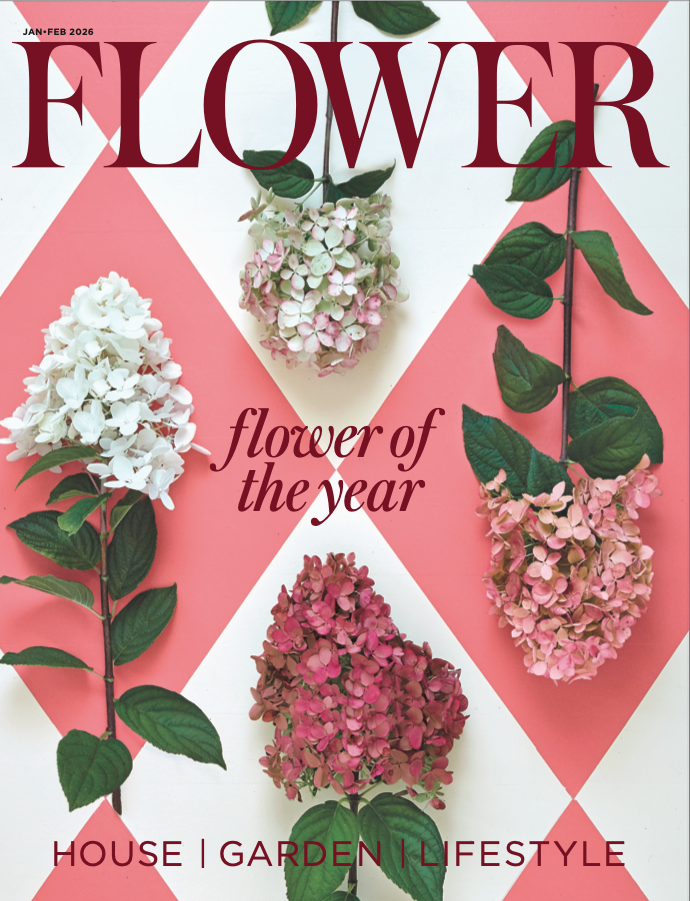
Our Flower of the Year is featured in the January/February 2026 issue of FLOWER magazine.
Look for copies on your local newsstand beginning December 22, 2025 or pre-order a copy for home delivery.